


 中文
中文Semiconductors are materials with electrical conductivity between that of conductors and insulators. Their conductivity can be controlled by external conditions such as temperature, light, electric fields, or doping. Common semiconductor materials include silicon (Si), germanium (Ge), and gallium arsenide (GaAs). Semiconductor materials play a crucial role in modern electronics, serving as the foundation for various electronic devices.
The unique properties of semiconductors stem from their band structure. In semiconductors, there is a band gap between the valence band and the conduction band. Electrons need to gain sufficient energy to jump from the valence band to the conduction band to participate in conduction. Doping can introduce additional free electrons or holes into the semiconductor, significantly altering its conductive properties. N-type semiconductors provide free electrons through doping, while P-type semiconductors provide holes.
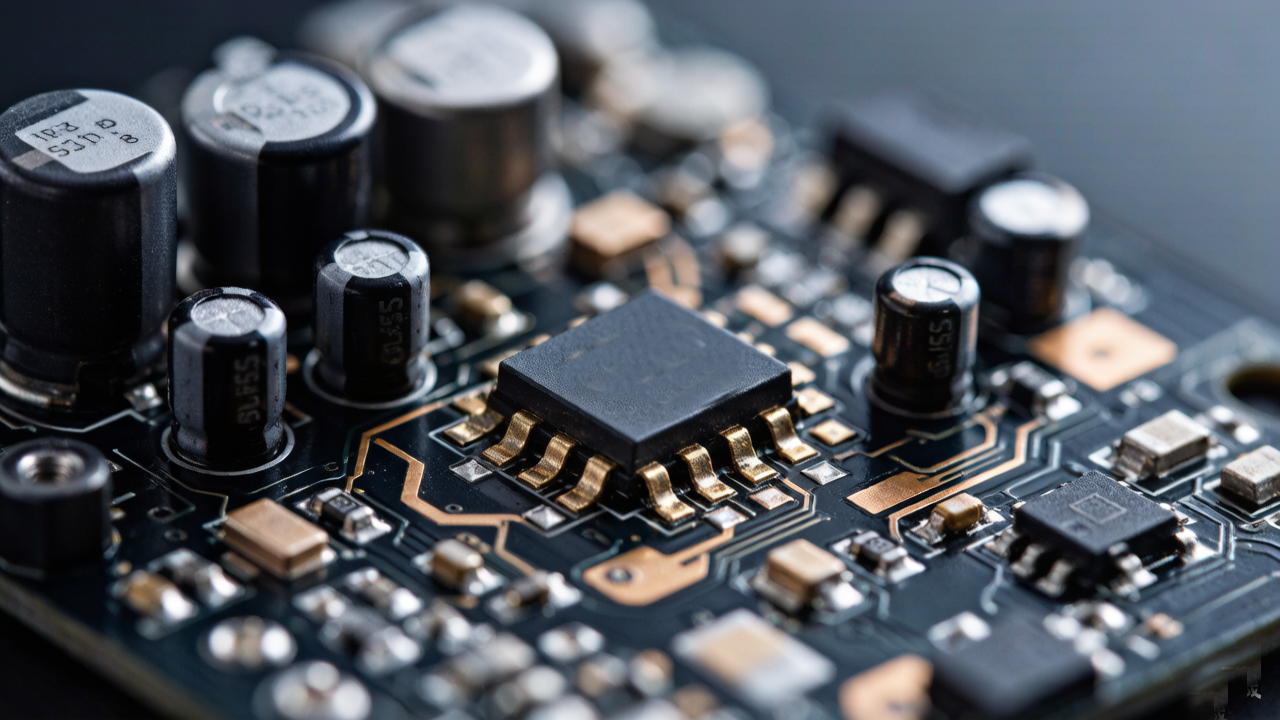
There are numerous types of semiconductor devices, including diodes, transistors, and integrated circuits (ICs). The diode is the simplest semiconductor device, exhibiting unidirectional conductivity and widely used in rectification and signal modulation. The transistor is the core of semiconductor technology, possessing amplification and switching functions, and serves as the basic building block of modern electronic devices. Integrated circuits (ICs) integrate millions or even billions of transistors on a single chip, enabling complex functionalities and driving rapid advancements in computers, communications, and consumer electronics.
The progress of semiconductor technology follows Moore's Law, which states that the number of transistors on an integrated circuit doubles approximately every two years. This law has driven the performance improvement and cost reduction of electronic devices, making high-tech products such as smartphones, computers, and IoT devices widely accessible. In the future, with the continuous emergence of new materials and processes, semiconductor technology will continue to lead technological revolutions, advancing cutting-edge fields such as artificial intelligence, quantum computing, and 5G communications.
Suggested


Tel: 13760215353
E-mail: lgc.002@163.com
Copyright © 2026 XY Semiconductor All Rights Reserved..

WeChat MP
Weixin
Douyin

Website
WeChat
QQ


